

In today’s digital landscape, social media has become an invaluable resource for businesses seeking to understand their target audience and gain a competitive edge. Unlocking social media insights is no longer a luxury but a necessity for effective market research. This comprehensive guide will delve into the strategies and techniques you need to leverage the power of social media platforms for insightful market research. Learn how to gather crucial data, analyze trends, and ultimately make informed decisions to optimize your marketing efforts. From identifying your target demographic to understanding their preferences and behaviors, social media offers a wealth of information waiting to be discovered.
This guide, “Unlocking Social Media Insights: Your Guide to Effective Market Research,” will provide a practical framework for conducting thorough market research using social media. You will learn how to identify relevant social media platforms, utilize social listening tools, analyze competitor activities, and interpret the data collected to inform your marketing strategies. By mastering these techniques, you can transform social media into a powerful engine for growth and achieve a deeper understanding of your target market, empowering you to make data-driven decisions that drive results.
Identifying Your Target Audience on Social Media
Understanding your target audience is the cornerstone of effective market research. On social media, this involves identifying the specific demographics, interests, behaviors, and online habits of your potential customers.
Begin by analyzing your existing customer data. Look for common characteristics like age, location, gender, profession, and income level. This information forms the basis of your initial target audience profile.
Social media analytics offer valuable insights into audience demographics and engagement patterns. Use platform-specific analytics dashboards to gather data on your followers and the performance of your content. Pay close attention to metrics such as reach, impressions, and engagement rates.
Competitor analysis can also help identify potential target audiences. Examine the follower demographics of your competitors to understand who they are reaching. This can reveal overlapping audiences and opportunities to expand your own reach.
Choosing the Right Social Media Platforms for Research
Selecting the correct social media platforms is crucial for effective market research. Different platforms attract different demographics and offer unique data insights. Strategic platform selection ensures your research aligns with your target audience and business objectives.
Consider these factors when choosing platforms:
- Target Audience: Where do your ideal customers spend their time online?
- Research Objectives: What type of data are you looking to gather (e.g., brand sentiment, competitor analysis, product feedback)?
- Platform Features: Does the platform offer analytics, hashtag tracking, or other relevant tools?
For example, if your target audience is professionals, LinkedIn might be a valuable platform. If you’re targeting younger demographics, platforms like TikTok or Instagram could be more beneficial. Careful consideration of these factors will maximize the value of your social media research efforts.
Utilizing Social Listening Tools for Data Gathering
Social listening tools are crucial for efficient and effective market research. These tools allow you to monitor social media platforms for mentions of your brand, competitors, and industry-related keywords. They provide valuable data that goes beyond basic metrics, offering insights into consumer sentiment, emerging trends, and unmet needs.
Several types of social listening tools are available, each with varying features and functionalities. Some focus on brand monitoring, providing alerts for brand mentions and tracking sentiment around those mentions. Others specialize in competitive analysis, allowing you to compare your brand’s performance against competitors. More comprehensive platforms offer a wider range of features, including trend identification and audience analysis.
When selecting a social listening tool, consider factors such as the platforms you want to monitor, the types of data you need to collect, and your budget. Choosing the right tool can significantly enhance your market research efforts.
Analyzing Social Media Conversations and Trends
Analyzing social media conversations and trends provides crucial insights into consumer behavior, brand perception, and emerging market opportunities. This analysis goes beyond simply counting mentions and delves into the nuances of online discussions.
Sentiment analysis helps gauge the overall emotional tone associated with your brand, product, or industry. Understanding whether conversations are predominantly positive, negative, or neutral is essential for informing strategic decisions.
Trend identification involves recognizing patterns and shifts in conversations. This can reveal emerging needs, popular hashtags, and influential voices within your target market. By monitoring these trends, you can adapt your marketing strategies to stay relevant and capitalize on opportunities.
Topic analysis further refines your understanding by categorizing conversations into specific themes. This allows you to identify key discussion points and understand the context surrounding your brand or industry.
Conducting Competitor Analysis on Social Media
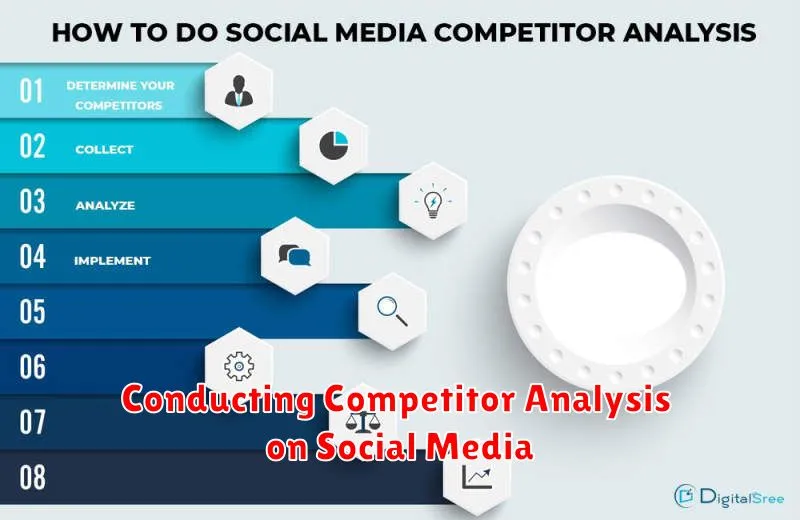
Competitor analysis on social media provides valuable insights into your rivals’ strategies, strengths, and weaknesses. This knowledge allows you to refine your own marketing approach and gain a competitive edge.
Begin by identifying your key competitors on the platforms relevant to your business. Analyze their profiles, noting their follower count, posting frequency, and content types. Pay close attention to their engagement metrics, such as likes, comments, and shares. This data reveals what resonates with their audience.
Examine their advertising strategies. What kind of ads are they running, and on which platforms? Understanding their targeting and ad creatives can inform your own campaigns.
Finally, assess their customer service approach on social media. How do they respond to inquiries and complaints? Identifying areas where they excel or fall short can help you optimize your own customer service strategies.
Using Social Media Polls and Surveys for Direct Feedback
Social media platforms offer powerful tools for gathering direct feedback through polls and surveys. These features enable businesses to engage directly with their target audience and gain valuable insights.
Polls are excellent for quick pulse checks on simple questions. Their ease of use encourages high participation rates, providing a snapshot of audience sentiment. Consider using polls to gauge product preferences, assess interest in new features, or understand general opinions.
Surveys, on the other hand, allow for more in-depth exploration of complex topics. By incorporating various question types, businesses can collect richer data and develop a more nuanced understanding of customer needs and desires. Utilize surveys to investigate customer satisfaction, gather feedback on recent campaigns, or delve into the reasons behind specific purchase behaviors. Remember to keep surveys concise to maximize completion rates.
Understanding Audience Demographics and Interests
Gaining a deep understanding of your target audience is crucial for effective market research. Social media platforms offer valuable insights into demographics such as age, gender, location, and even interests. This information allows for targeted campaigns and personalized messaging.
Analyzing audience demographics helps you identify key segments within your target market. By understanding the dominant demographic groups engaging with your brand or industry, you can tailor content and advertising to resonate with their specific needs and preferences.
Moreover, social media platforms provide data on audience interests. Observing trending topics, hashtags, and followed accounts reveals what captures your audience’s attention. These insights can inform content creation, product development, and overall marketing strategies.
Extracting Actionable Insights from Social Media Data
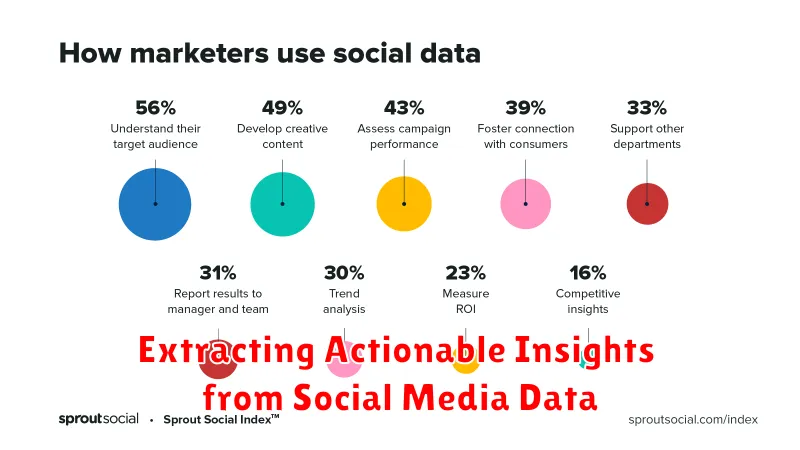
Beyond direct engagement through polls and surveys, social media offers a wealth of organic data ripe for analysis. This data provides valuable insights into customer behavior, preferences, and trending topics.
Social listening tools allow you to monitor brand mentions, relevant keywords, and competitor activity. Tracking these conversations reveals public sentiment towards your brand, identifies emerging trends, and highlights potential areas for improvement or innovation.
Analyzing engagement metrics such as likes, shares, and comments offers a quantifiable view of audience response to your content. This data can inform content strategy and identify high-performing posts. By understanding what resonates with your audience, you can refine your messaging and optimize future campaigns.
Furthermore, social media analytics dashboards often provide demographic and psychographic information about your audience. This data helps you understand who your audience is, their interests, and their online behavior. This knowledge allows for more effective targeting and personalized marketing efforts.
