

In today’s interconnected world, a strong online presence is crucial for individuals and businesses alike. Social media platforms offer unparalleled opportunities to connect with audiences, build brands, and foster communities. However, navigating the complexities of the digital landscape requires a strategic approach. This guide outlines essential social media dos and don’ts, providing a roadmap to cultivate a positive and impactful online presence. Mastering these social media etiquette guidelines will empower you to leverage the full potential of these powerful platforms while avoiding common pitfalls. Whether you’re an individual seeking to enhance your personal brand or a business aiming to connect with customers, understanding the nuances of social media management is paramount.
This comprehensive guide delves into the core principles of effective social media practices. From crafting engaging content and interacting with your audience to understanding social media algorithms and maintaining a professional online demeanor, we’ll cover the key elements of successful social media strategies. By following these dos and don’ts, you can build a robust online presence that reflects your values, enhances your reputation, and achieves your desired outcomes. Let’s explore the essential steps to harnessing the power of social media for personal and professional growth. This guide will help you avoid common social media mistakes and build a strong and positive online presence.
Creating a Consistent Brand Identity
Consistency is key to establishing a recognizable brand presence across social media platforms. A consistent brand identity helps your audience quickly identify and connect with your content.
Start by defining your brand voice. Is it formal, informal, playful, or serious? This voice should be reflected in all your posts, captions, and interactions.
Visual consistency is equally important. Use the same logo, color palette, and font styles across all platforms. This creates a unified and professional look, reinforcing your brand image in the minds of your followers.
Develop a style guide for your social media content. This document outlines the specific elements of your brand identity, ensuring that anyone managing your social media presence maintains a cohesive and consistent approach.
Crafting Engaging Content
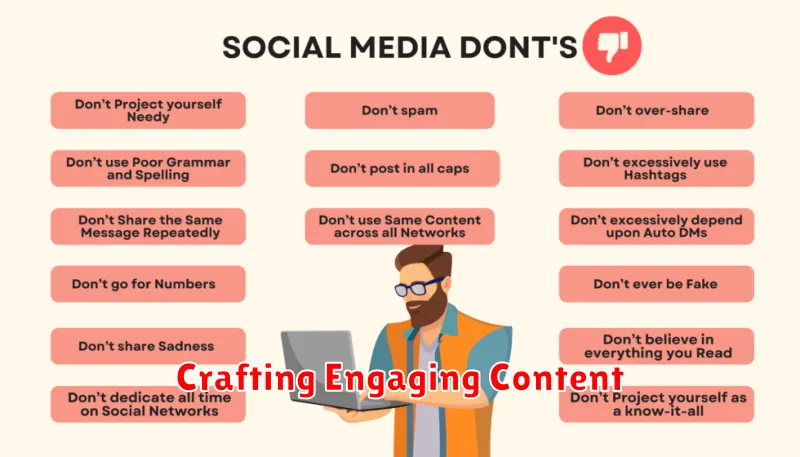
Engaging content is the cornerstone of a successful social media presence. It’s what captures attention, sparks conversations, and ultimately, drives results. Quality content should always be your primary focus.
Think about what your audience wants to see. Ask questions, run polls, and encourage interaction. Content that fosters a sense of community tends to perform well.
Vary your content formats. Use a mix of text, images, and videos to keep your feed fresh and dynamic. Short, easily digestible pieces of content are often more effective than lengthy posts.
Storytelling is a powerful tool. Share anecdotes, behind-the-scenes glimpses, and user-generated content to create a personal connection with your audience.
Knowing Your Target Audience
Understanding your target audience is crucial for effective social media marketing. Without a clear picture of who you’re trying to reach, your efforts will be scattered and ineffective. Defining your target audience involves identifying their demographics, interests, online behavior, and preferred social media platforms.
Start by considering basic demographics like age, location, gender, education, and occupation. Then, delve deeper into their psychographics, such as their values, lifestyle, and interests. What motivates them? What are their pain points? What kind of content do they consume online?
Analyzing your competitors’ audiences can also provide valuable insights. Look at who engages with their content and try to identify common characteristics.
Once you have a solid understanding of your target audience, you can tailor your content and messaging to resonate with them. This allows you to connect on a deeper level and build meaningful relationships.
Building a Strong Community
A thriving online community can significantly amplify your brand’s message and foster deeper connections with your audience. Active engagement is key to building a strong community. Respond to comments and messages promptly and thoughtfully. Initiate conversations by asking questions and seeking feedback.
Create a sense of belonging by highlighting user-generated content and featuring community members. Host contests, Q&A sessions, or live streams to encourage interaction and create shared experiences. Moderation is crucial. Establish clear community guidelines and enforce them consistently to maintain a positive and respectful environment.
Collaboration with other brands or influencers in your niche can expand your reach and introduce your community to new perspectives. Remember, building a strong community is a continuous process. Consistency and authenticity are key to fostering trust and loyalty.
Using Hashtags Effectively
Hashtags are essential for increasing the discoverability of your social media content. Using them strategically can significantly expand your reach and connect you with a wider audience. However, overusing or misusing hashtags can be detrimental.
Do: Research relevant hashtags within your niche. Use a mix of broad and specific hashtags to maximize visibility. Analyze which hashtags are trending and performing well within your target audience.
Don’t: Stuff your posts with excessive, irrelevant hashtags. This appears spammy and can deter engagement. Avoid using overly generic hashtags that don’t add value or target the right audience.
Best Practices: Keep your hashtags relevant to the content of your post. Use a reasonable number of hashtags; the optimal number varies by platform. Monitor the performance of your hashtags to see which ones are driving the most engagement.
Responding to Comments and Messages
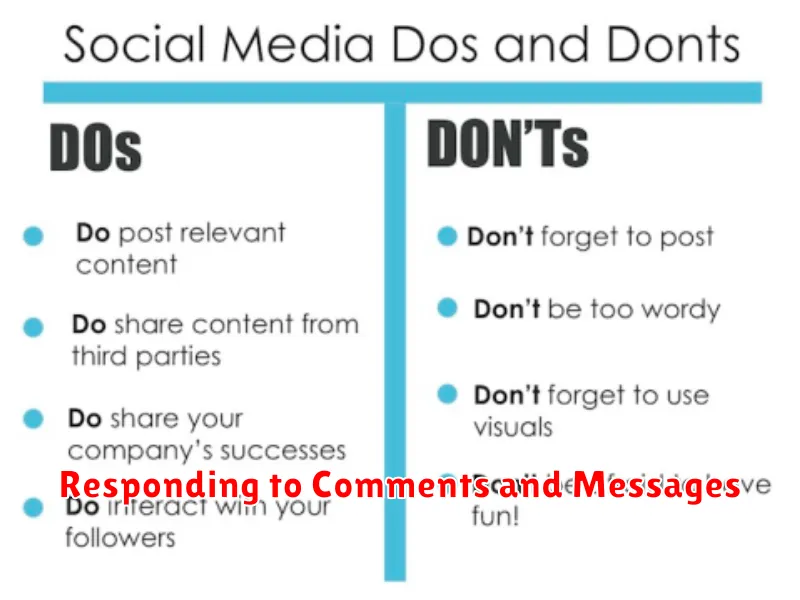
Engaging with your audience is crucial for building a strong online presence. Responding to comments and messages demonstrates that you value their input and fosters a sense of community.
Timely responses are key. Aim to reply to comments and messages within a reasonable timeframe. While immediate responses aren’t always feasible, acknowledging messages promptly and letting users know you’ll get back to them later can go a long way.
Maintain a professional and courteous tone, even when addressing negative feedback. Responding defensively or dismissively can damage your reputation. Instead, thank users for their feedback and address their concerns constructively.
Personalize your responses whenever possible. Avoid generic, automated replies. Taking the time to craft thoughtful, individual responses shows that you genuinely care about your audience’s engagement.
Prioritize direct messages requiring immediate attention. Inquiries about products, services, or urgent matters should be handled promptly.
Tracking Your Results
Monitoring your social media performance is crucial for understanding what works and what doesn’t. Tracking key metrics provides valuable insights into your audience engagement and the effectiveness of your strategies.
Start by identifying your key performance indicators (KPIs). These will vary depending on your goals, but common KPIs include reach, engagement (likes, comments, shares), website traffic from social media, and conversion rates (e.g., sales, sign-ups).
Utilize analytics tools provided by each social media platform. These dashboards offer valuable data on audience demographics, post performance, and overall account growth.
Regularly analyze your data to identify trends. Are certain types of content performing better than others? Which times of day generate the most engagement? These insights can inform your content strategy and help you optimize your posting schedule.
Consider using a spreadsheet or social media management software to track your progress over time. This allows you to visualize long-term trends and measure the overall impact of your social media efforts.
Avoiding Common Social Media Mistakes
Posting too frequently can overwhelm your audience and lead to unfollows. Find a balance that keeps you visible without being intrusive.
Ignoring your audience is a critical mistake. Engage with comments, answer questions, and participate in relevant conversations to foster a sense of community.
Sharing irrelevant content dilutes your brand message and confuses your followers. Stick to topics related to your niche or industry.
Using automated direct messages (DMs) can feel impersonal and spammy. Personalize your outreach for a more genuine connection.
Neglecting analytics prevents you from understanding what resonates with your audience. Track your metrics to optimize your strategy.
Staying Up-to-Date with the Latest Trends
The social media landscape is constantly evolving. Staying current with the latest trends is crucial for maintaining an effective online presence. Algorithm changes, new features, and emerging platforms can significantly impact your reach and engagement.
Regularly explore industry news and resources. Follow reputable social media experts and blogs to stay informed about platform updates and best practices. Experiment with new features as they are released to understand their potential benefits.
Analyze your competitors’ strategies. Observe how they are adapting to new trends and what’s resonating with their audience. This can provide valuable insights for your own social media approach. However, avoid simply copying; focus on adapting successful strategies to fit your brand.
Pay attention to trending hashtags and challenges. While not every trend will be relevant to your brand, staying aware of them can help you identify opportunities to engage with a wider audience and showcase your brand’s personality.
Maintaining a Positive Online Reputation
Your online reputation is a valuable asset. Cultivating a positive presence across social media platforms requires consistent effort and mindful interaction.
Regularly monitor your accounts for mentions and comments. Address any negative feedback or criticisms constructively and professionally. Avoid engaging in arguments or deleting negative comments, unless they violate platform guidelines. Instead, acknowledge the concern and offer a solution or further assistance offline.
Share positive and valuable content that reflects your expertise and interests. This helps establish you as a credible and trustworthy source of information. Engage with your audience authentically, responding to queries and participating in relevant discussions.
Be mindful of your privacy settings and the information you share publicly. Remember that anything posted online can potentially be seen by a wide audience. Review your profiles periodically and ensure your content aligns with the image you wish to project.
